
The Art of the Craft: What Defines a Truly Premium Spirit?
August invites a slower pace. The energy of early summer begins to settle, evenings feel more deliberate, and there is more time to appreciate the details that can easily be overlooked.
That same sense of intention belongs at the heart of every truly premium spirit.
In an industry filled with polished bottles, elaborate claims, and endless choices, premium quality should mean more than an attractive label or an elevated price. It should reflect the ingredients selected, the expertise behind the process, the character of the finished spirit, and the integrity of the company responsible for creating it.
At Mastwill Global Spirits, we believe premium is not simply a price point. It is a promise.
What Does “Premium Spirit” Really Mean?
There is no single step that transforms an ordinary product into a premium spirit. Quality is developed through a series of deliberate decisions, each influencing what ultimately reaches the glass.
A truly premium spirit should demonstrate:
– Carefully selected ingredients
– A thoughtful and controlled production process
– Balance across aroma, flavor, texture, and finish
– A clear sense of identity
– Respect for the spirit’s cultural or regional heritage
– Honest, responsible brand conduct
Packaging can help communicate quality, but presentation alone cannot create it. The liquid must deliver on the promise the bottle makes.
Federal standards also require distilled spirits sold in the United States to carry specific information, including a brand name, spirit class or type, alcohol content, health warning, net contents, and producer or importer details. These distilled spirits labeling requirements help establish transparency, but genuine premium quality goes beyond basic compliance.
Quality Begins With the Ingredients
Every spirit begins with raw materials.
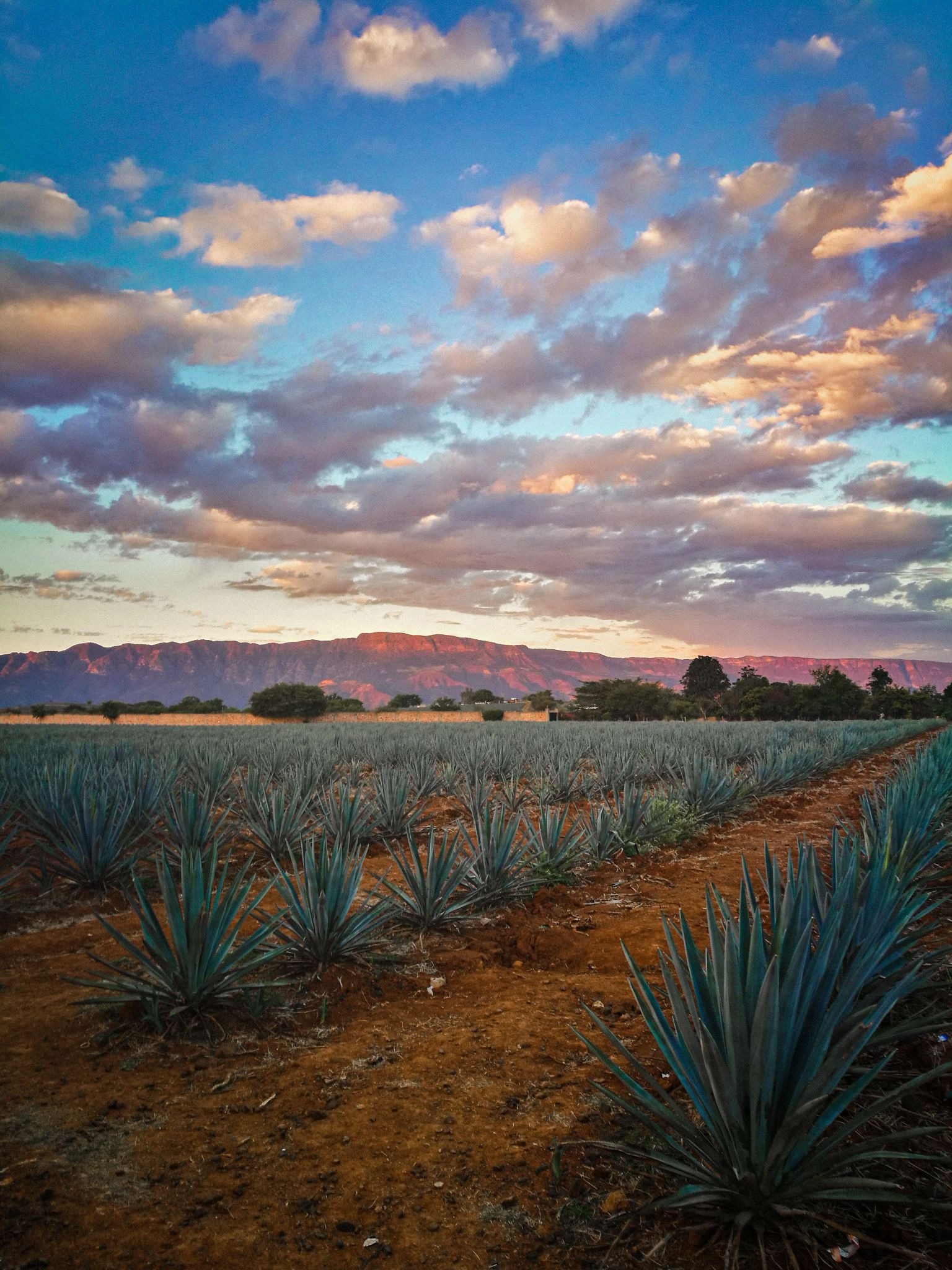
Vodka may begin with wheat, corn, potatoes, or another agricultural base. Bourbon depends heavily on its grain composition and the influence of oak. Tequila begins with agave. Rum is shaped by sugarcane or molasses, fermentation, distillation, and, in some expressions, maturation.
These ingredients are not interchangeable details. They form the foundation of the spirit’s aroma, flavor, texture, and identity.
High-quality producers consider more than availability. They evaluate the source, consistency, condition, and character of each ingredient. Water quality, yeast selection, fermentation conditions, grain composition, agave maturity, and barrel selection can all shape the finished experience.
Even a spirit designed to be exceptionally clean and smooth should not feel anonymous. Refinement should reveal quality, not remove personality.
That commitment to individuality can be found throughout Mastwill’s premium spirits portfolio, which brings together vodka, bourbon, tequila, and Caribbean rum brands with distinct identities and origins.
Distillation Requires Precision and Expertise
Distillation is both science and craft.
At its foundation, the process separates and concentrates alcohol and flavor compounds produced during fermentation. However, creating a refined spirit involves much more than operating a still.
Distillers must make precise decisions about temperature, timing, proof, equipment, and which portions of the distillate will be retained. These choices can affect purity, texture, aroma, intensity, and balance.
Some spirits are distilled to preserve expressive flavor. Others are distilled or filtered to achieve exceptional clarity and smoothness. Whiskey, bourbon, tequila, rum, and vodka may follow very different paths, but each requires technical discipline and a clear vision for the final result.
Additional production choices can also influence character:
Filtration
Filtration may soften unwanted edges, improve clarity, or contribute to a cleaner mouthfeel. The goal should not be to erase the spirit’s identity, but to refine it.
Maturation
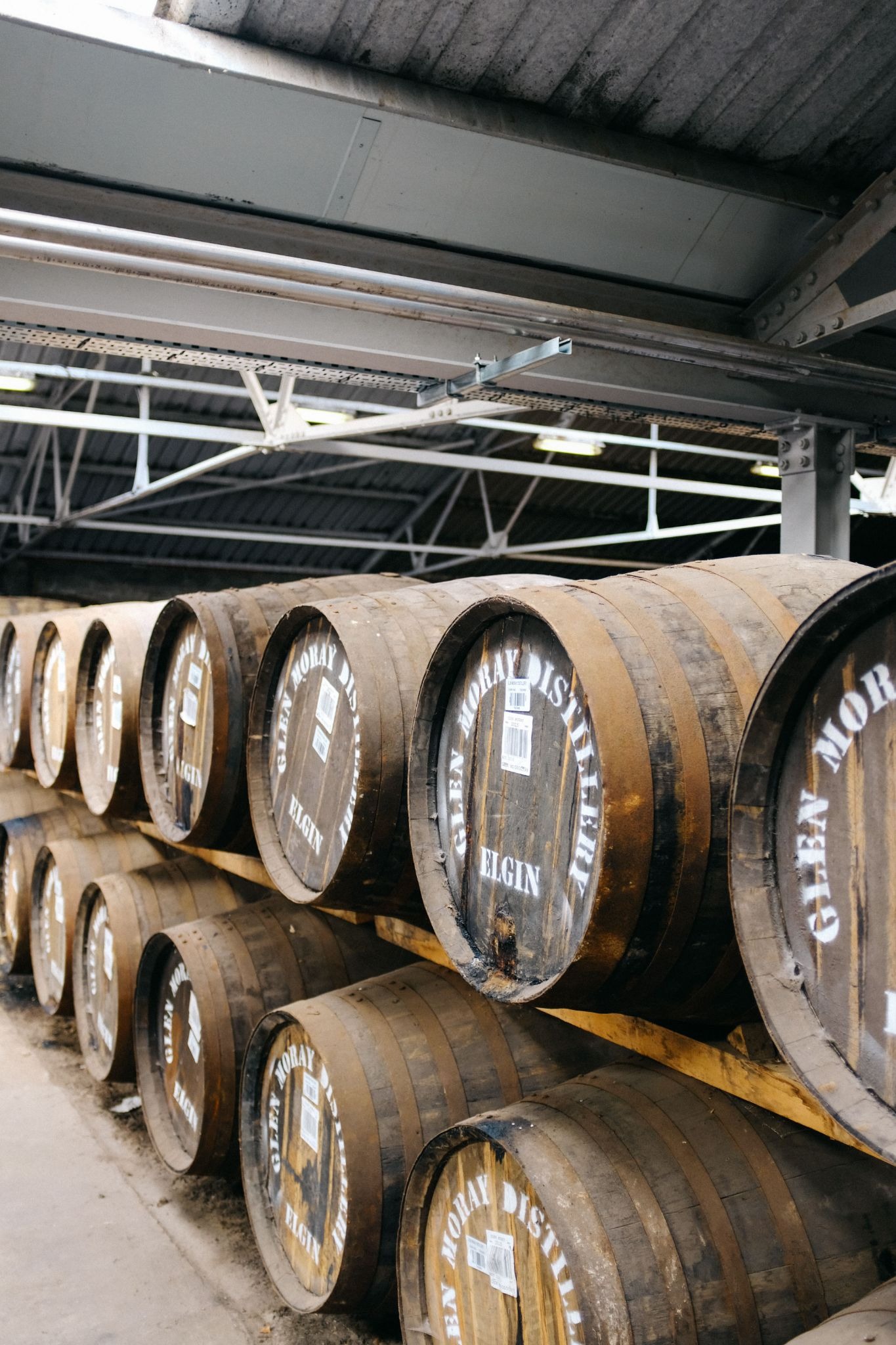
For aged spirits, time in wood can introduce notes of vanilla, spice, caramel, smoke, fruit, and toasted oak. The barrel’s previous use, char level, environment, and maturation period all contribute to the final profile.
Blending
Blending allows a producer to bring different components together to achieve consistency, complexity, and balance. Done well, it is an exacting discipline rather than a shortcut.
Craftsmanship can be observed in the process, but it is experienced in the glass.
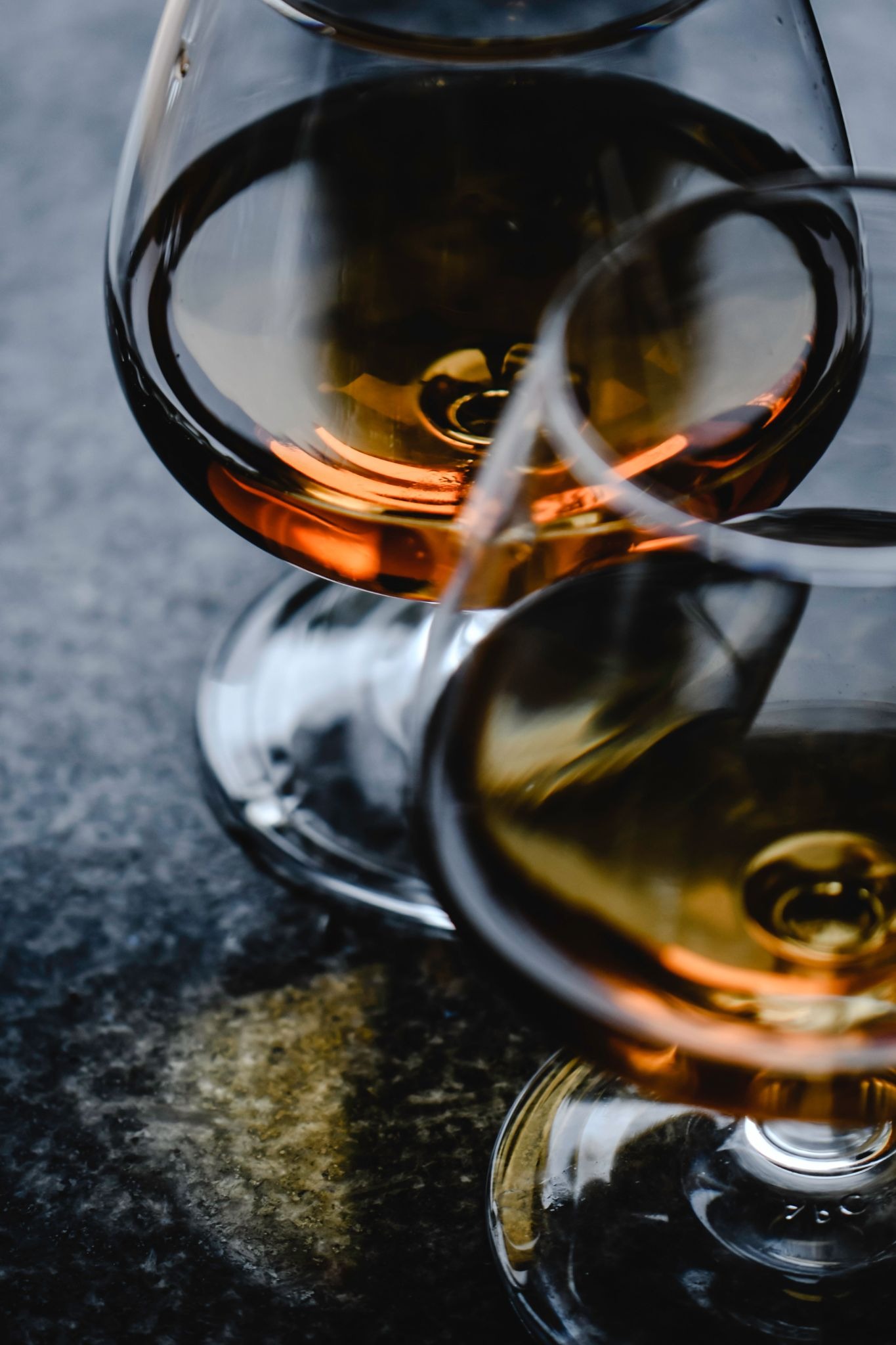
Balance, Character, and Finish Define the Experience
Premium does not always mean louder, sweeter, older, or stronger.
A refined spirit is often distinguished by balance. No single element should overwhelm the others unless that intensity is a deliberate part of the spirit’s identity.
The aroma should invite the first sip. The flavor should unfold with clarity. The texture should feel intentional. The finish should leave a lasting impression without feeling harsh or disconnected.
Smoothness matters, but smoothness alone is not enough. A spirit can be approachable while still possessing depth, structure, and character.
A premium vodka might offer a clean entry, subtle texture, and polished finish. A bold bourbon might balance sweetness, oak, spice, and smoke. A quality tequila may preserve the recognizable character of agave while delivering complexity and refinement. A carefully produced rum can express tropical richness without becoming one-dimensional.
These differences are part of what makes the broader distilled spirits industry so diverse. The Distilled Spirits Council of the United States represents producers and supply-chain partners across the American industry and provides educational resources covering its many spirit categories.
Origin and Cultural Authenticity Matter
Many of the world’s most respected spirits are closely connected to place.
Their identities have been shaped by geography, agricultural traditions, local ingredients, production knowledge, and generations of cultural experience. That history deserves more than surface-level inspiration.
A globally inspired spirits company should approach each category with respect. Authenticity requires understanding what gives a spirit its identity and working with the right people, processes, and traditions to honor it.
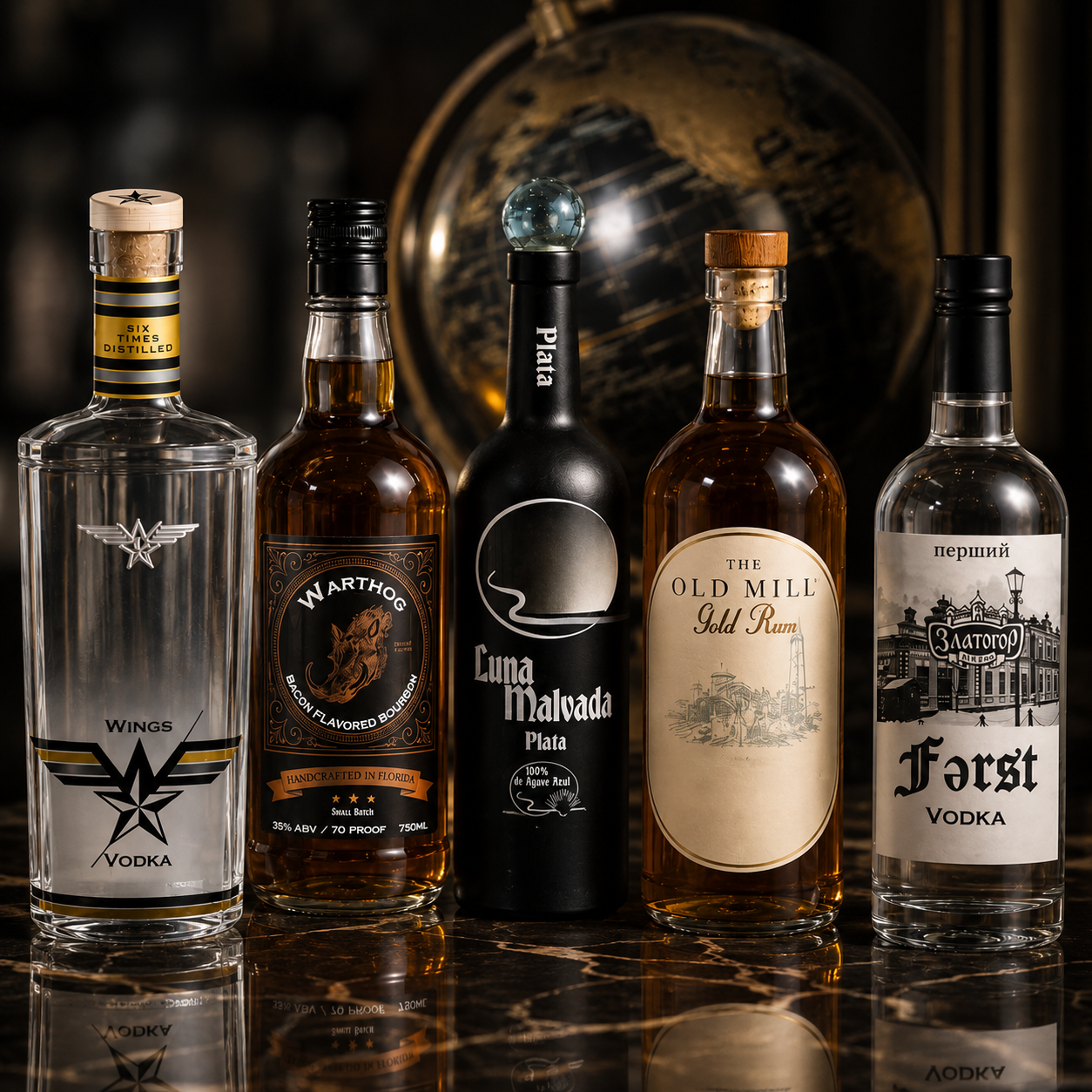
Mastwill Global Spirits brings together brands influenced by different regions and drinking traditions. Through Wings Vodka,WartHog Bacon-Flavored Bourbon,Fərst Vodka,Luna Malvada Tequila, and The Old Mill Caribbean Rum, the portfolio is designed to offer distinct experiences rather than variations of the same product.
That diversity reflects a central belief: premium craftsmanship does not have only one origin or one expression.
Premium Packaging Cannot Replace Product Integrity
A sophisticated bottle can earn attention. It cannot earn lasting loyalty by itself.
Consumers increasingly look beyond the front label. They want to know where a product came from, what makes it different, who created it, and whether the company’s actions support its message.
This makes integrity an essential part of premium positioning.
The brand story should align with the product. Claims should be accurate. Partnerships should be meaningful. Cultural influences should be treated respectfully. Responsible enjoyment should be encouraged consistently.
For consumers who want to examine what a distilled spirits label must communicate, the Alcohol and Tobacco Tax and Trade Bureau provides a checklist of mandatory label information. Transparency should never be treated as an obstacle. It is part of earning trust.
Craftsmanship With a Greater Purpose
A premium spirit can create an exceptional drinking experience. A premium company should aspire to create something more.
Mastwill Global Spirits was built to challenge an oversaturated market with brands that are intentional, distinctive, and grounded in purpose. The company’s vision extends beyond developing spirits. It includes supporting veterans, encouraging responsible alcohol use, respecting global craftsmanship, and building brands with meaningful identities.
This commitment is central to Mastwill’s philosophy of being crafted with purpose.
Purpose does not replace quality. It strengthens the standard by which quality is measured.
A mission cannot compensate for an uninspired product, just as an excellent product cannot excuse careless conduct. A truly premium brand should be able to stand behind both what it makes and how it operates.
How to Recognize a Truly Premium Spirit
Consider these questions:
– Are the ingredients and origins clearly communicated?
– Does the producer demonstrate knowledge of the spirit category?
– Is the flavor balanced and intentional?
– Does the finish support the character introduced by the first sip?
– Is the brand story authentic and relevant to the product?
– Does the company communicate responsibly and transparently?
– Does the experience feel distinctive enough to remember?
The answers reveal far more than the weight of the bottle or the wording on its label.
Discover Premium Spirits Crafted With Intention
The art of creating a premium spirit lies in the details: the source of the ingredients, the precision of the distillation, the patience behind refinement, the balance of the final profile, and the integrity of the people building the brand.
At Mastwill Global Spirits, those details are connected by a commitment to global craftsmanship, bold character, responsible enjoyment, and meaningful purpose.
Because premium is not simply a category.
It is a promise.
Discover the brands behind Mastwill Global Spirits and learn how craftsmanship, heritage, innovation, and purpose come together in every expression.
Please enjoy responsibly. For adults of legal drinking age only.